La Puente highlight
Residential
La Puente is a primarily residential community incorporated in 1956 with 38,062 residents, designed around single-family homes, apartments, and small commercial districts serving the local population.
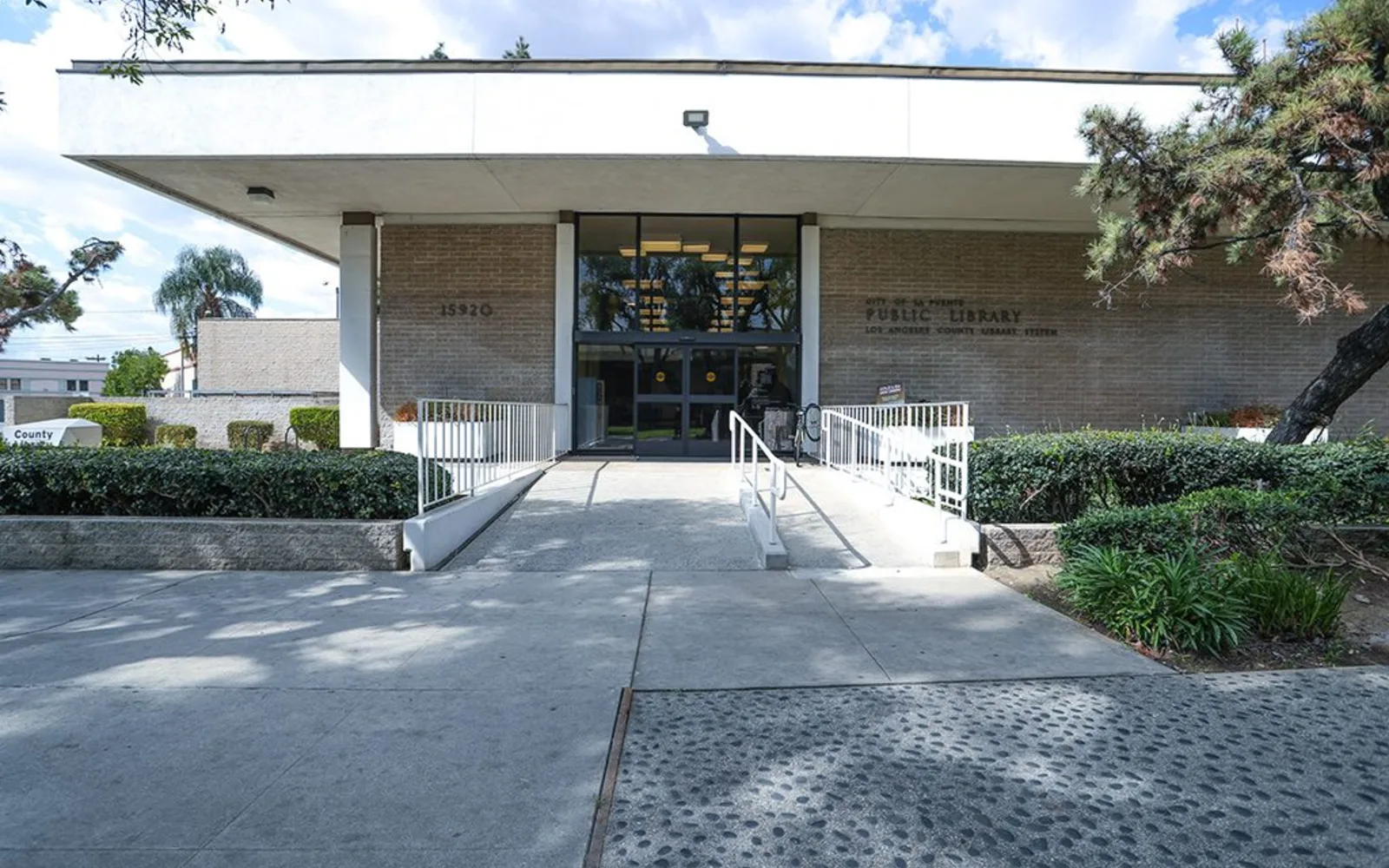
La Puente incorporated as a city on August 1, 1956, during a period of rapid suburban development in postwar Southern California. The city was built around residential neighborhoods, with the majority of the housing stock consisting of single-family homes ranging from modest mid-century cottages to larger family residences. Apartment complexes and small multi-family buildings intersperse residential streets, while neighborhood commercial districts provide schools, markets, and services within walking or short driving distance. The pattern reflects suburban planning of the era: residential use separated from heavier industry while keeping daily needs nearby.
Throughout the 1960s, 1970s, and 1980s, La Puente's population grew as families chose the city for its affordability, proximity to job centers in Los Angeles and the industrial San Gabriel Valley, and established Latino community networks. Homeownership rates fluctuated with regional economics, but the fundamental character remained residential. The 2020 census counted approximately 38,000 residents in a compact, walkable-in-places city where neighbors know each other's families and multi-generational households sharing one property are common.
Residential stability in La Puente depends on the financial commitments families make: mortgages, car loans, childcare costs, and often support for parents or siblings. Term life insurance is a practical tool for those obligations. A twenty or thirty-year term policy matching the length of a mortgage or the years until children are independent ensures that if a wage earner dies, the family keeps the home, the children can stay in their schools, and the household's financial structure does not collapse.